Europe is dominating another World Cup. That does not look like changing anytime soon - The Athletic
Europe's grip on the World Cup is not loosening. It's simply amortising across a wider talent base, and the rest of the world is still paying the installments.
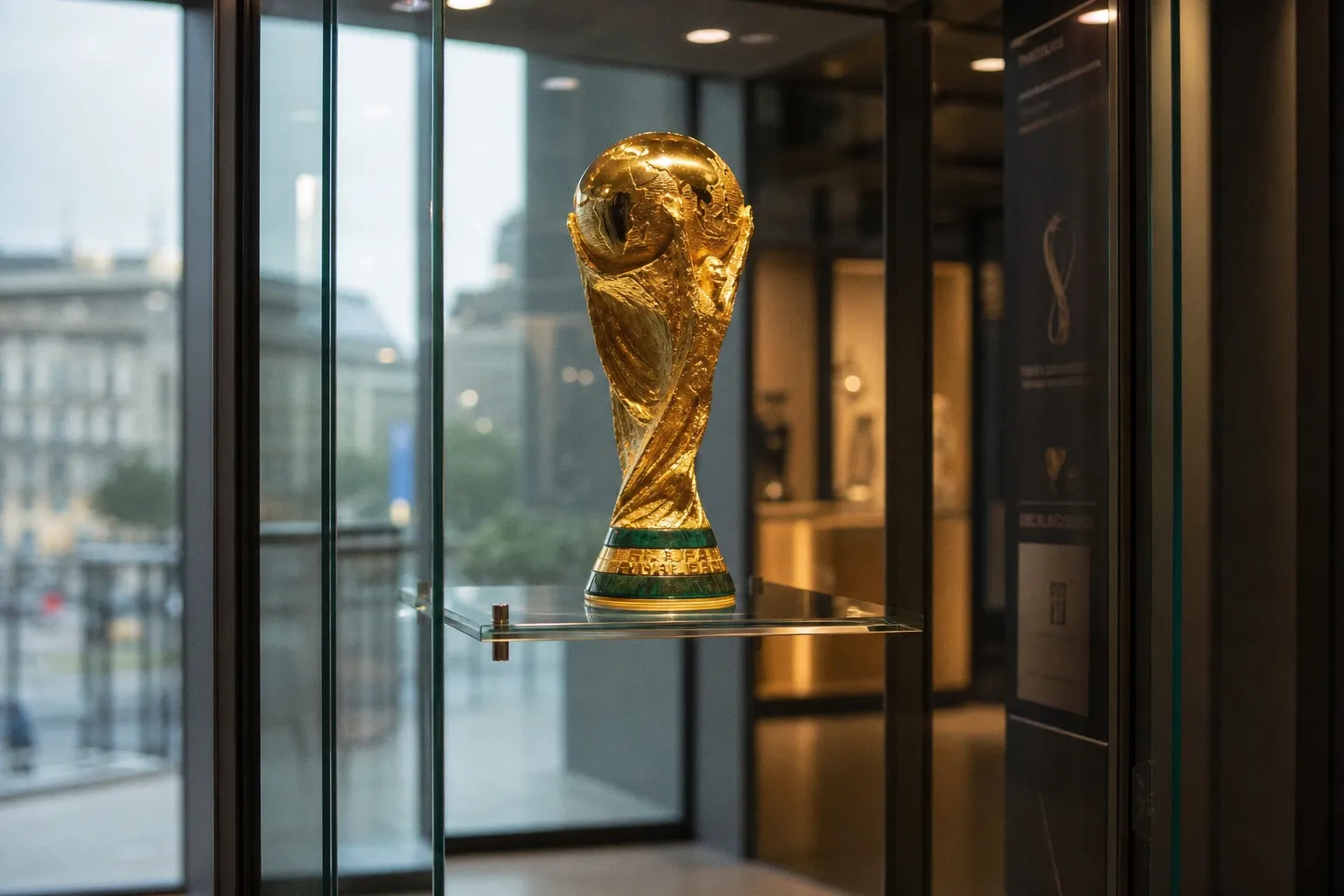
Six of the eight sides left at this tournament carry a European federation badge. The "collapse of the old order" narrative — recycled every four years, always on cue, always wrong — has once again been exposed as little more than agent-friendly noise designed to keep casual viewers engaged through the knockout rounds.
The math the broadcasters won't run
Look at where the actual upsets occurred and the ledger becomes brutally clear. Of the three European sides eliminated by non-European opponents, two went out on penalties — the footballing equivalent of a coin flip dressed up as a storyline. The third, Bosnia and Herzegovina, only made the tournament after winning two qualifying play-offs via shootout. The numbers don't flatter the disruptors.
Meanwhile, the so-called surprises cut the other way: Norway beat Brazil, Belgium beat Senegal. Strip out the romanticism and the pattern is the same one European federations have been exporting for two decades — technical superiority, deeper wage structures, and a talent pipeline financed by the Premier League, La Liga, Bundesliga and Serie A. The rest of the world is competing for scraps of that pipeline, not replacing it.
What the bracket actually tells us
Yes, Brazil, Germany and Italy — the three most successful nations in men's World Cup history — are out before the quarter-finals. That is unprecedented. But read it through a boardroom lens: a generation of stars retiring simultaneously, ageing squad structures, and tactical philosophies that haven't adapted to the press-resistant, positionally fluid European model that now dominates the club game.
Africa's strength in depth is real — nine of ten qualifiers reached the knockout stage, and the 48-team expansion finally gave the continent its proportional allocation. Yet Cape Verde's run, as enjoyable as it is, sits in a different tier entirely when measured against Nigeria or Cameroon's potential ceiling. Asia tells the same story: Japan's infrastructure and professionalism should have produced a knockout win by now. Twenty-four years after co-hosting, they still haven't managed it — and their exit against Brazil, after taking the lead, suggested a squad that didn't believe its own valuation.
The boardroom verdict
The USMNT's early showing was promising but structurally insufficient — the gap between MLS wage ceilings and Champions League-level development pathways remains the binding constraint, not a problem hosting rights or marketing spend can solve.
Europe's dominance won't be challenged until a non-European federation builds the same end-to-end pipeline: academy investment, exportable league quality, and the kind of amortised talent base that produces generational players every cycle. Until that balance sheet balances, expect the same headline in 2030 — with a few different European names at the top.