Why European Club Football Is the Real Winner After the World Cup
By the Free Press Journal's reading, the 2026 World Cup's real prize fight didn't end with Spain lifting the trophy over Argentina — it shifts next to subscription funnels, with Indian broadcasters…
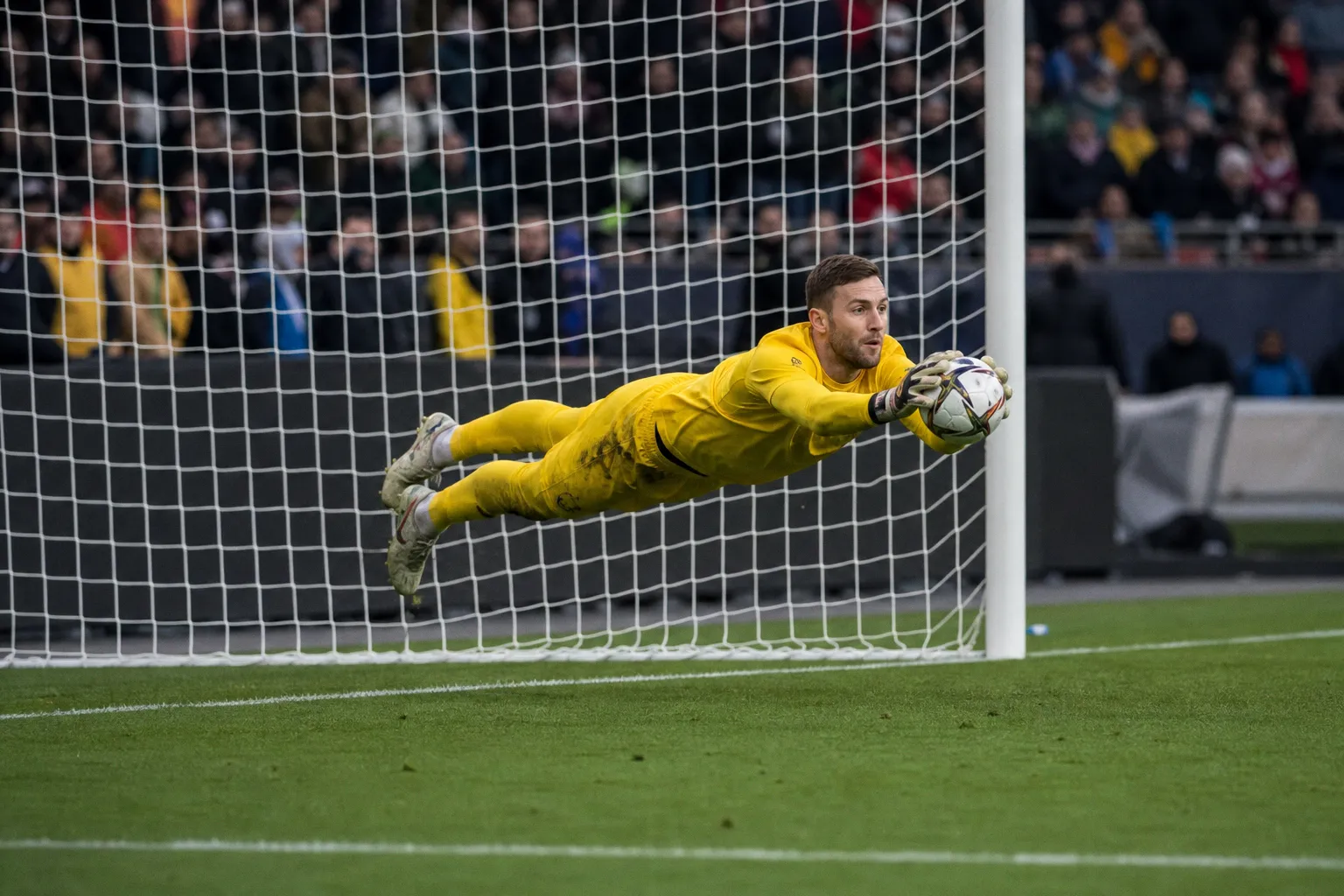
By the Free Press Journal's reading, the 2026 World Cup's real prize fight didn't end with Spain lifting the trophy over Argentina — it shifts next to subscription funnels, with Indian broadcasters now asking how many of those late-night viewers stay awake for August kickoffs.
The Conversion Math
The commercial logic is plain: a World Cup happens every four years; the leagues run almost ten months. The hard product, always, is retention. The Free Press Journal reports Indian audiences — cricket-first, World Cup-tolerant — are now the primary growth target on the subcontinent for European competitions. Whoever controls the broadcast window controls the funnel. JioHotstar and Star Sports hold Premier League rights in India; Sony LIV and Sony Sports Network carry the UEFA Champions League and FA Cup. The Premier League therefore enters the new commercial cycle with the better-equipped digital pipes for monetization in that market — a non-neutral position when you consider which club identities grow fastest in the geography now driving league valuations.
The wider picture isn't only European: MLS holds the Messi card, the Saudi Pro League carries Ronaldo, and each has its own broadcast architecture chasing the same post-tournament attention. For Europe's top competitions, though, the August kickoffs are where the math has to start working or it never will.
What The Trophy Means Beyond PR
Spain's victory does the boardroom work La Liga has spent a decade trying to manufacture. Rodri's Golden Ball, Lamine Yamal's continued trajectory, Pau Cubarsí being named Best Young Player — each is a media-rights asset as much as a footballing one. Names generate search volume, jersey traffic, clip licensing revenue. Mbappé's second consecutive Golden Boot reinforces a commercial ceiling that already priced his next move years ago. Unai Simón's Golden Glove is the kind of data point that ages quietly into January-window chatter rather than headlines — the sort of profile upgrade that agents love and sporting directors file under "monitor."
What To Watch
The leagues restart next month. The easy cynicism is to treat post-World Cup interest as ephemeral: a four-year spike that bleeds off by November. The harder question is whether JioHotstar and Sony LIV structured their renewals to convert first-month curiosity into multi-year subscribers. If the Premier League's subcontinental offering holds past October, the rights holders will quietly call this a successful cycle. If it doesn't, expect quiet revisions to the subcontinental pricing curve before the winter window reopens — and a more honest read on what the World Cup actually delivered versus what the marketing decks claim it did.