How substitutions are deciding World Cup games like never before - The Athletic
The most valuable asset at this World Cup is no longer just the starting XI. According to The Athletic, published by The New York Times, substitutes have already scored 52 of the tournament’s 280…
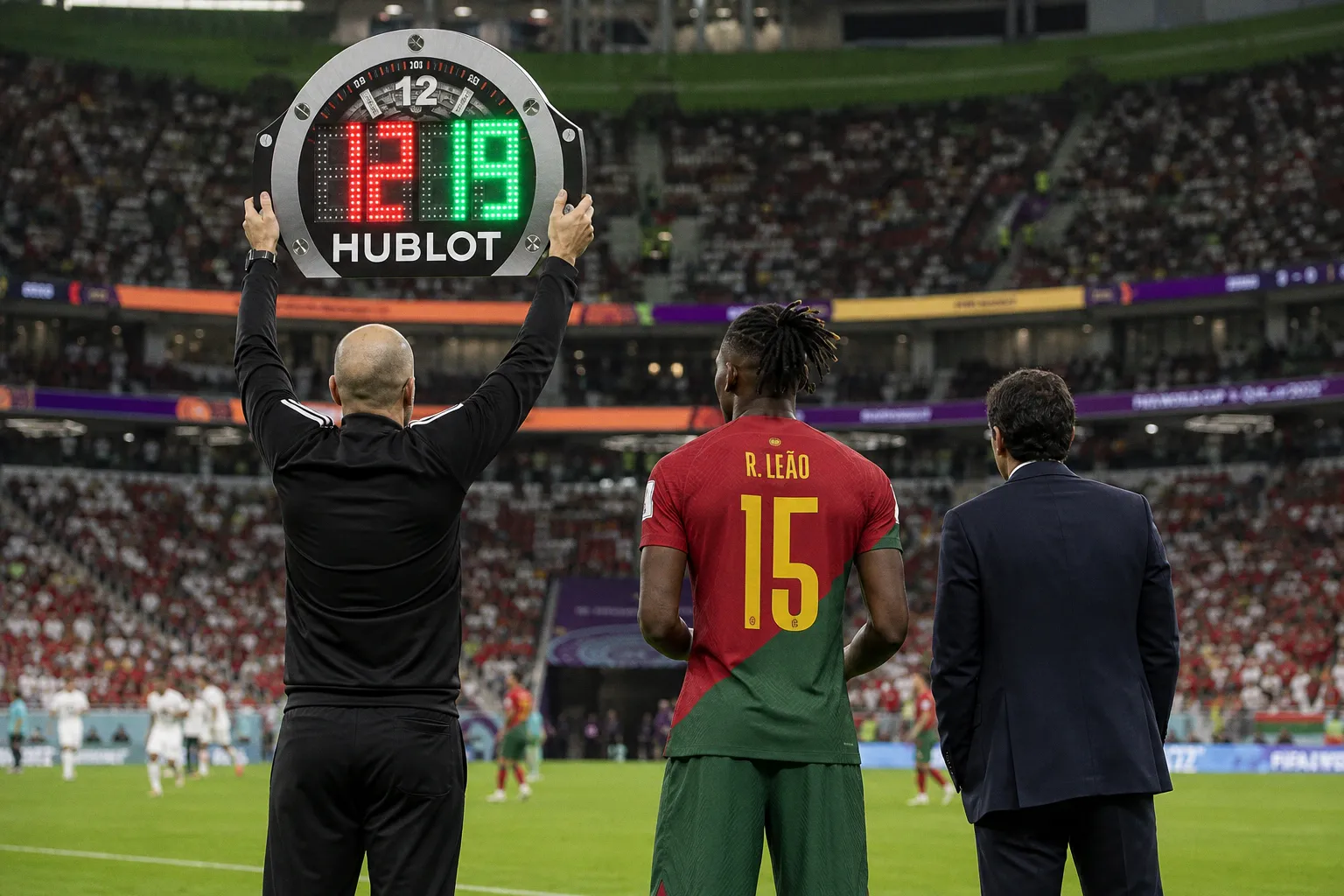
The most valuable asset at this World Cup is no longer just the starting XI. According to The Athletic, published by The New York Times, substitutes have already scored 52 of the tournament’s 280 goals in North America — 18.6 per cent — and the bench is shaping knockout games with a frequency coaches and sporting directors cannot ignore. Follow the money and the minutes: depth is no longer squad insurance, it is match-day leverage.
The bench has become a production line
The headline number is hard to dress up as noise. Substitutes scored 43 goals in the group stage alone, more than in any entire previous World Cup. The previous record was 32, set in Brazil in 2014.
By the quarter-final stage, The Athletic’s count has substitutes responsible for 52 goals. That puts this tournament just below the all-time share recorded in 2014, when bench goals accounted for 18.7 per cent of the total. The current figure is 18.6 per cent.
This is not just late chaos padding the totals. In the group stage, a substitute came on and shifted the game state in his team’s favour 13 times. That is already more than the full tournaments in 2022 and 2018, and close to the 2014 mark cited by the report.
For clubs watching from Europe, the implication is blunt. Tournament football is exposing the real value of the 15th, 16th and 17th players in a squad. Wage structure debates tend to focus on starters. The World Cup is making a case that the second wave can carry direct sporting value — if the manager actually has the timing and tactical clarity to use it.
Hydration breaks are tactical timeouts now
The Athletic points to a familiar mix behind the trend: climate, intensity, larger squads, more ball-in-play time and longer matches. FIFA has pushed the game towards being faster and longer, while hydration breaks have become part of the tournament rhythm.
Those breaks are described as mandatory three-minute pauses in each half, effectively cutting matches into four quarters. The second one, landing on the 67th minute, is becoming a key intervention point for coaches who are prepared rather than merely reactive.
Argentina’s comeback against Egypt is the clean example in the report. With Argentina 2-0 down in the round of 16, Lionel Scaloni used that window to send on Nicolás González and Lautaro Martínez. Both later had an assist in the comeback, with Martínez crossing for Enzo Fernández to head in the stoppage-time winner.
That is the boardroom lesson hidden inside the drama. Substitutions are no longer just about legs. They are pre-planned capital deployment: change the system, attack a tiring matchup, protect a red-card scenario, or load the pitch for the final stoppage-time push.
Recruitment departments should be watching the 67th minute
There is a transfer-market angle here, even if agents will inevitably overplay it. A player who changes a World Cup match from the bench will be marketed as a “game-changer” by Monday morning. Clubs should be colder than that.
The useful question is not whether a substitute scored. It is whether his profile explains why the substitution worked: pace against fatigue, aerial value against a lower block, pressing energy after the tempo drops, or positional flexibility when a system changes mid-game.
The same applies to managers. England’s defensive changes, according to the report, helped them hold on after going down to 10 men. That is not romance; it is risk management under tournament stress.
The late-game numbers also matter. The Athletic says 11.4 per cent of all goals at this World Cup have come in the increased stoppage time linked to hydration breaks, the highest share in tournament history. It also reports 32 goals in the 90th minute or later, with 17 of them from substitutes.
So the likely boardroom takeaway is pragmatic. Clubs will not simply pay more for “impact subs”; that phrase is too vague and too easily sold by intermediaries. But they will place greater value on benches built with specific tactical functions, because this World Cup is showing that the closing phase is no longer an afterthought. It is where games — and reputations — are being priced.