How Europe’s Top Five Football Leagues Compare in Strategy and Depth
888Sport's ranking places the Bundesliga behind England, Italy, and Spain.
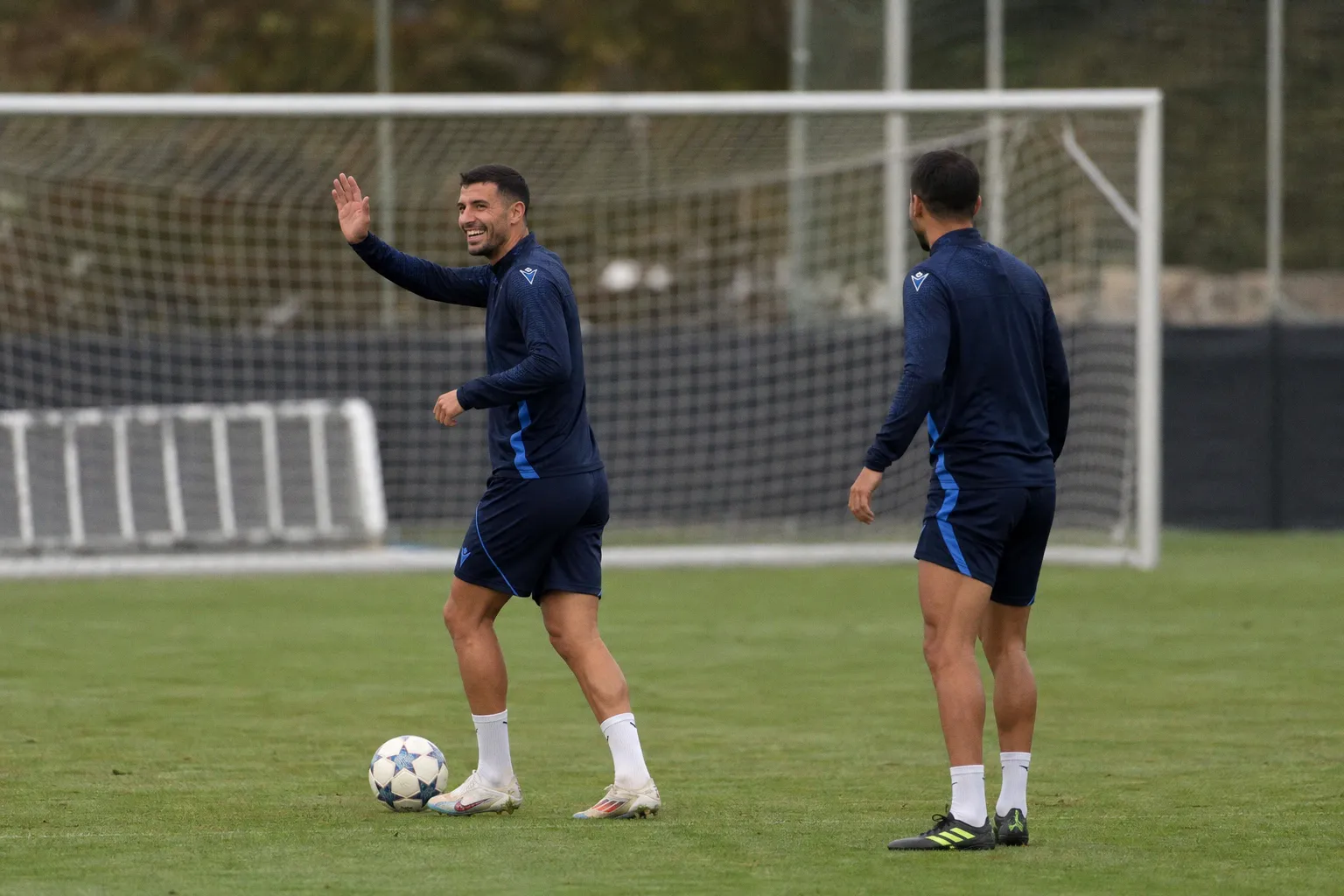
The Bundesliga's fourth-place ranking isn't just a matter of continental trophies. It’s a positioning statement about a league that has perfected a specific business model: elite development as a profitable export industry.
Hamburger SV's reported interest in Austria Vienna's Lee Tae-seok is the latest case study. According to Austrian outlet Sky Sports, talks have begun between the clubs for the South Korean left-back. This isn't a swoop for a finished product; it's an investment in a 24-year-old asset who just completed his first full season as a starter in Austria, posting three goals and four assists. The player's inclusion in South Korea's World Cup squad—starting in two matches—adds to his resale profile, not just his immediate utility.
The League's Calculated Position
The reason is consistent European depth, not just Bayern Munich's occasional peaks. While German clubs have produced finalists, they lack the multi-club representation in the latter stages that defines the Premier League or the recent Italian resurgence.
This ranking directly impacts the league's market strategy. As the clear fourth destination for broadcast revenue and superstars, its clubs—especially those outside Munich—must operate with scalpel-like efficiency. Their competitive advantage isn't outspending; it's outmaneuvering in markets where player valuations are lower. A signing like Lee Tae-seok fits the prototype: a defender with a starting track record in a neighboring league and international exposure, likely acquired for a fee that wouldn't cover a top prospect's wages in Manchester or Madrid.
The Development Pipeline in Practice
The transfer logic here is pure amortization. Austria Vienna signed Lee Tae-seok a year ago, integrated him immediately, and now can potentially sell at a profit after his World Cup appearance inflated his marketability. For HSV, a club rebuilding its Bundesliga status, the calculus is about getting a proven, affordable starter who still has prime years left. It's low-leverage spending with upside.
This is how the Bundesliga maintains its edge despite its financial ceiling. It's a finishing school and a marketplace, where players use the league as a stepping stone—much like Son Heung-min, a former HSV player, once did. The league's fourth-place ranking is the backboard for this entire operation: prestigious enough to attract talent, but pragmatic enough in its financial structure to make development the core product.
The most likely outcome for Lee Tae-seok? A move to Germany is negotiated, but only on terms that guarantee Austria Vienna a healthy margin. The boardroom's view doesn't see a national team hero; it sees a tradable asset whose value was recently updated on the global stage.