Live football on TV today
France and Spain will meet in the first FIFA World Cup 2026 semifinal, with England taking on Argentina in the second — a final four that looks less like a sporting accident than a commercial inevitability.
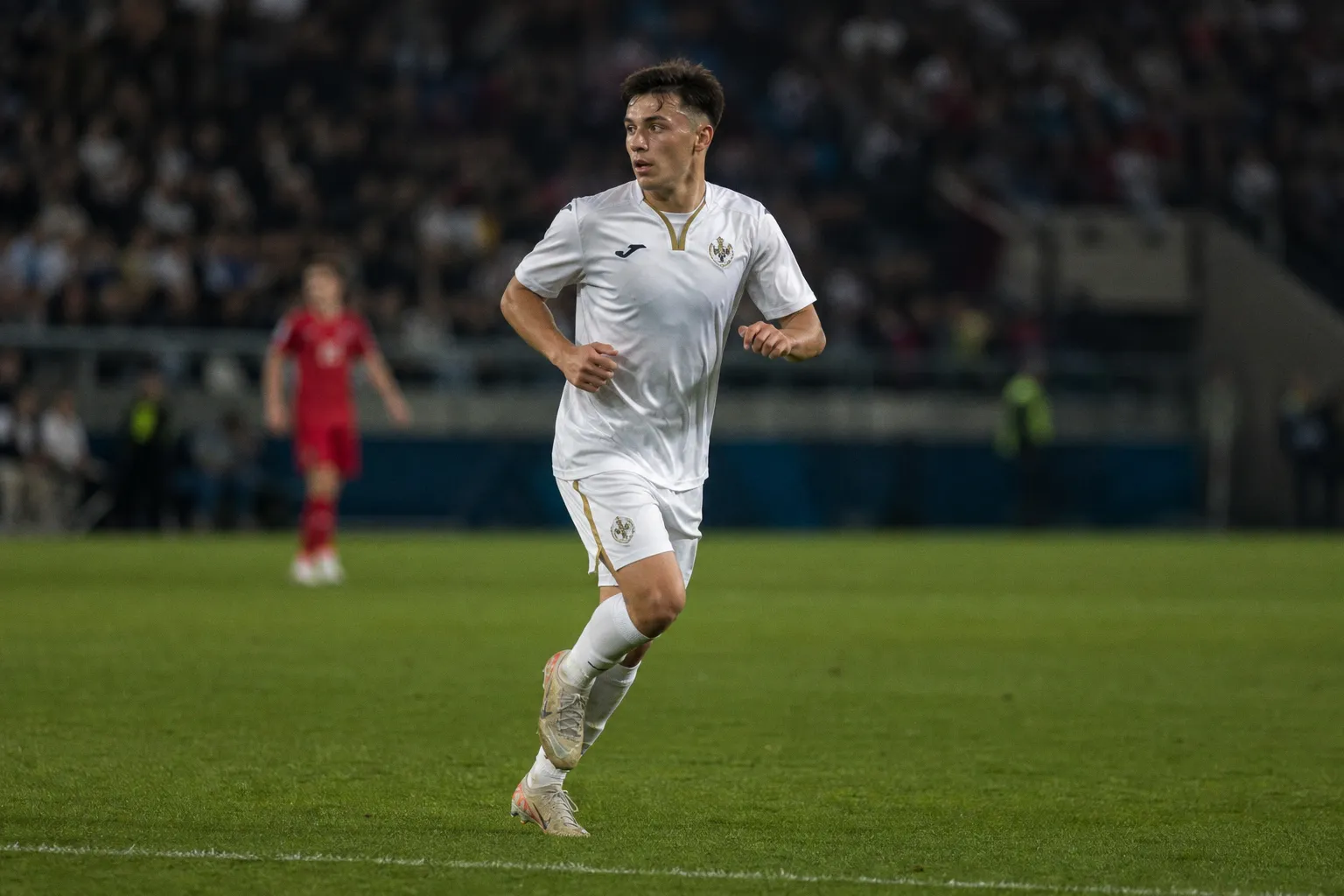
The financials behind this bracket matter more than the narratives. France and Spain have not conceded a knockout goal between them across three rounds each. France dismantled Sweden 3-0, edged Paraguay 1-0, then shut out Morocco 2-0 — six scored, zero conceded. Spain's path was rockier: a 3-0 win over Austria, a controlled 1-0 against Portugal, and a 2-1 survival against Belgium, the first side to breach their knockout defence. Defensive structure translates to tournament longevity, and both sides have it.
England's route reads differently. Jude Bellingham's extra-time brace rescued a 2-1 win over Norway after the side had fallen behind, their third consecutive single-goal knockout victory. Seven goals scored, conceded in every round — not the profile of a dominant side, but the profile of a team whose commercial value keeps them in every broadcast window regardless of performance. Argentina, the defending champions, beat Switzerland 3-1 in another match that stretched beyond regulation. Three knockout games, three times scoring exactly three. A pattern, not a coincidence.
What the boardroom sees
The semifinals are scheduled for July 19, with the final on July 20. UK coverage splits between BBC and ITV under the existing rights deal; the allocation determines which audience gets which match, and which advertisers pay the premium. Radio Times and Deadline both maintain rolling TV guides for kickoff times, and Goal.com runs a UK-focused breakdown of the BBC/ITV split. For US viewers, the relevant schedules run through the dedicated World Cup broadcasters.
What no broadcaster says out loud: matches that go to extra time are the most valuable inventory in international football. They consume more ad slots, more peak-time viewing minutes, and they produce the kind of moments — Bellingham in the 113th minute — that justify rights fees for the next cycle. The agencies know it; the federations know it. The press releases will not mention it.
The legs, not the narrative
Four teams have played three knockout matches in roughly two weeks. The physical cost is real, even if clubs and federations will not say so publicly. Recovery protocols, sleep architecture, conditioning between rounds — these are the marginal gains at this stage of a tournament. For anyone curious about the training infrastructure behind elite preparation, the conditioning and recovery frameworks at Your Athletic offer a useful primer on what the support staff are actually doing between fixtures.
The likely outcome
France-Spain is a coin flip decided by midfield control; whoever wins the central third wins the tournament. England-Argentina is a different calculation — the defending champions have been scoring exactly three in every knockout game, which is not sustainable indefinitely but is enough to win one more match. The final will be settled by whichever side arrives with the fewest accumulated extra-time minutes in their legs. Follow the squad fitness reports, not the headlines.