How western Europe became a formidable football factory
The infrastructure behind the Premier League's talent pipeline didn't appear in the last two transfer windows.
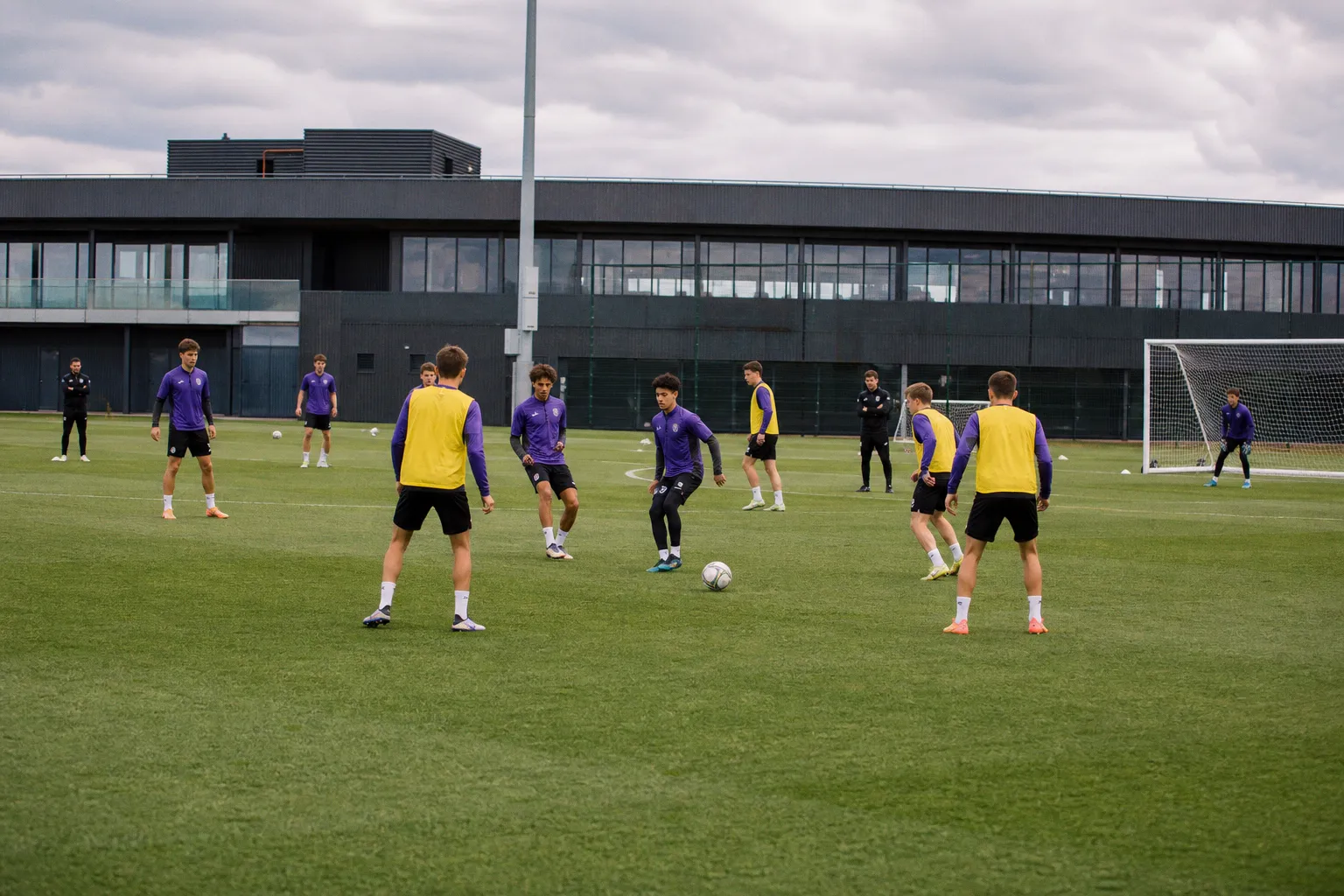
The Norwegian template
If any country in Europe has industrialised this faster than most, it's Norway — a market that spent two decades failing to qualify and then walked through the 2026 World Cup door with startling ease. The Norwegian Football Federation set up the Landslagsskolen (National Team School) in 2013, partly shaped by what scouts saw in an 11-year-old Martin Odegaard in 2010. The internal assessment, preserved in the federation's files, ran: "extreme skills. Two years younger than others. Performs brilliantly. Good touch, good decisions and intelligent positional play." Sixteen years later that boy captains Arsenal and a Premier League winners' medal sits in his pocket.
The pipeline has produced at scale. Norway won all eight of its qualifying group games — including two against Italy — and scored 37 goals in the process, 16 of them from Erling Haaland. Most of Ståle Solbakken's 26-man squad came through the NTS, alongside Antonio Nusa (RB Leipzig), Jørgen Strand Larsen (Crystal Palace) and Andreas Schjelderup (Benfica). Read that list and what looks like a sporting story resolves quickly into a balance-sheet story: domestic production so reliable that Norway's top talent no longer needs to leave the federation's pathway to develop.
The economics under the line
Deloitte's annual review, published earlier this month, is where the romance ends and the amortization table begins. The big-five leagues are still paying premium wages at the first-team end, but the savings are migrating upstream — into academies, data infrastructure and the kind of long-tail scouting networks that turn a 14-year-old with the right mental profile into a 22-year-old transfer asset. The clubs that have industrialised this most aggressively now monetise both ends of the value chain: cheap homegrown talent for the first team and capital gains on every graduate who leaves. On the buy side, that same machinery has compressed margins for everyone still shopping in the traditional transfer market.
What the boardrooms will do next
For clubs outside the elite, the question is no longer whether to invest in an academy. It's whether their retention model is credible enough to keep a graduate past their first offer from a bigger neighbour. Odegaard's path — Strømsgodset, Real Madrid, loans, Arsenal — is the operating template the smart clubs now copy. The ones who miss this transition don't lose trophies; they lose balance sheets.
There is also a macro layer that the more thoughtful directors are watching. The capital flows underwriting Premier League minority stakes — sovereign wealth, private equity, the post-2020 boom — are priced against the same global conditions that move currencies and Treasuries. The kind of volatility that just absorbed a round of Tokyo-Washington financial coordination talks will eventually feed back into the willingness of those funds to keep underwriting elite football's working capital. Watch the macro signal as closely as the academy graduation list — the factory runs on both.